
Table of Contents
Classic car transport requires specialized care, expertise, and attention to detail that goes far beyond moving a standard vehicle. Whether you own a restored 1967 Mustang, a pristine 1955 Chevy Bel Air, or a rare vintage Porsche, your collector vehicle represents passion, investment, and history. Shipping it safely demands professional service from transporters who understand the unique needs of vintage automobiles.
This complete guide walks you through everything you need to know about classic car transport, from choosing the right shipping method to preparing your vehicle, understanding costs, and ensuring your prized possession arrives in showroom condition.
Why Classic Cars Need Special Transport Considerations
Vintage vehicles are not just cars—they are investments, often worth tens or hundreds of thousands of dollars. Many classic cars feature irreplaceable original parts, delicate paint finishes, custom restorations, and unique modifications that require gentle handling. Unlike modern vehicles built for daily driving, classics may have lower ground clearance, non-standard dimensions, or mechanical quirks that complicate loading and transport.
Standard auto transport methods designed for everyday vehicles do not provide adequate protection for collector cars. Road debris, weather exposure, dust, and even prying eyes at rest stops can damage or devalue your classic. That is why most collectors choose enclosed transport and work with carriers who specialize in high-value vehicle shipping.
Enclosed vs Open Transport for Classic Cars
When shipping a classic car, your first major decision is choosing between enclosed and open transport. While standard vehicles often use open carriers without issue, vintage automobiles almost always benefit from enclosed protection.
Enclosed transport places your classic car inside a fully covered trailer, shielding it from weather, road debris, dust, and sun exposure during transit. These specialized trailers feature soft tie-downs, hydraulic lift gates for low-clearance vehicles, climate control options, and limited capacity that ensures careful handling. Enclosed carriers typically transport only two to six vehicles at a time, allowing for extra space and attention to each car.
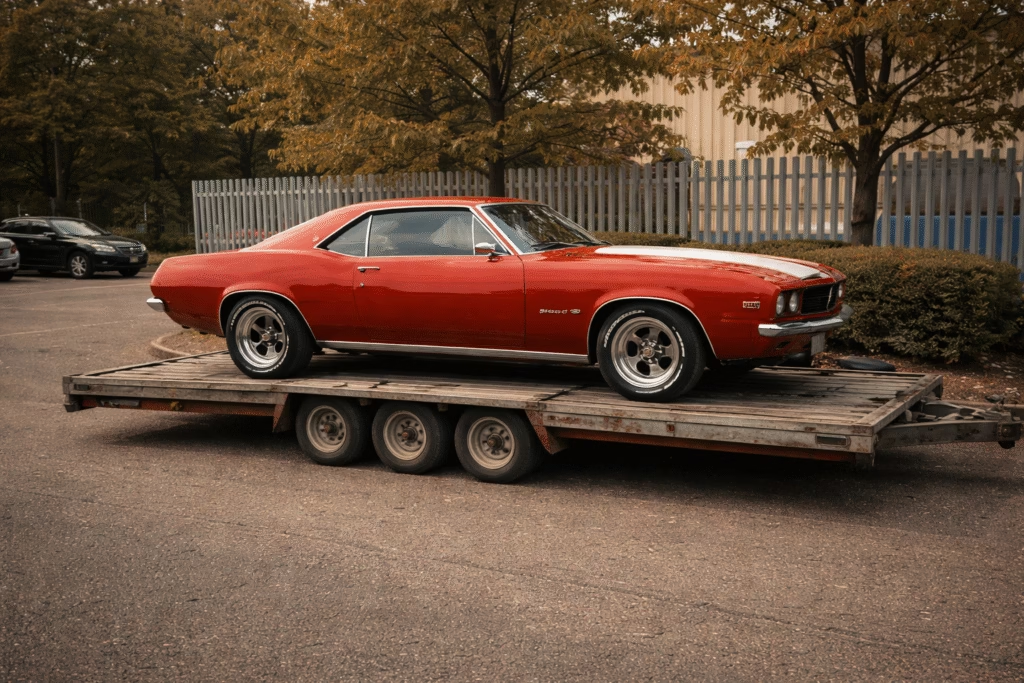
Open transport exposes your vehicle to the elements on an open-air trailer. While this method works fine for daily drivers and modern vehicles, it leaves classic cars vulnerable to stone chips, weather damage, and environmental exposure. However, some collectors with less valuable or more robust classics do choose open trailer shipping to save on costs, particularly for shorter distances or vehicles that are driven regularly.
For most vintage vehicle owners, the additional cost of enclosed transport is a worthwhile investment to protect paint, chrome, upholstery, and irreplaceable components during the journey.
How Much Does Classic Car Transport Cost?
The cost to ship a classic car typically ranges from $1,000 to $2,500 for enclosed transport, depending on distance, season, and specific vehicle requirements. Open transport costs less, usually between $600 and $1,200, but offers less protection.
Distance is the primary cost factor. Short trips under 500 miles may cost around $1.40 per mile, while longer journeys drop to approximately $1.00 per mile for 1,000-mile trips. Cross-country classic car shipping can fall to $0.60 per mile or less, though the total cost remains substantial due to the distance.
Several factors influence your final quote beyond distance. Larger or heavier classic cars cost more to ship because they occupy more trailer space. Vehicles with non-standard dimensions, extremely low ground clearance, or modifications may require special loading equipment. Seasonal demand also affects pricing—summer and fall see increased collector car activity around shows and auctions, which can raise rates by 10 to 20 percent.
If you need guaranteed pickup and delivery dates for a car show or auction, expedited vehicle shipping adds $200 to $500 or more to the base cost but ensures your classic arrives exactly when you need it.
Comparing Classic Car Shipping to Driving
Some owners consider driving their classic cars to distant shows or new locations rather than shipping. However, this approach adds unnecessary miles, exposes the vehicle to road hazards, and increases wear on irreplaceable parts. Every mile driven reduces value for serious collectors and risks mechanical issues or accidents. Professional transport preserves your investment while providing insurance coverage and peace of mind.
Preparing Your Classic Car for Transport
Proper preparation protects your vintage vehicle and ensures smooth pickup and delivery. Start by thoroughly cleaning your classic car inside and out. A clean vehicle makes it much easier to document existing condition and identify any scratches, chips, or imperfections during inspection.
Take extensive photos of your classic from every angle, including close-ups of the paint, chrome, wheels, interior, engine bay, and undercarriage if accessible. Timestamp these photos and store them safely. This documentation becomes critical if you need to file a damage claim or prove the vehicle’s pre-shipment condition.
Check all fluid levels including oil, coolant, brake fluid, and transmission fluid. Ensure there are no leaks that could damage your car or others on the trailer. Inspect tire pressure and inflate tires to the recommended level. Verify that the battery is charged and properly secured.
Remove or secure all loose items, custom accessories, and personal belongings. Detachable mirrors, antennas, spoilers, and trim pieces should be removed if possible or very securely fastened. Empty the trunk and interior completely—carrier insurance covers only the vehicle, not items inside it.
Leave about one-quarter tank of fuel in the vehicle. This provides enough gas for loading and unloading while reducing weight. Disable car alarms and any anti-theft devices that could activate during transport. Provide clear instructions to the driver about any quirks with starting, shifting, or handling your classic.
Shipping Non-Running Classic Cars
Many classic cars are restoration projects, barn finds, or vintage vehicles that do not currently run. Shipping a non-running classic requires specialized equipment and carriers experienced in handling inoperable vehicles.
Reputable classic car transporters use enclosed carriers equipped with hydraulic lift gates and winches designed specifically for non-running vehicles. These systems allow safe loading without rolling or starting the car, protecting the drivetrain and suspension during the process. If your vintage vehicle does not run, always inform the shipping company in advance so they can arrange appropriate inoperable vehicle shipping equipment.
Non-running vehicles typically cost an additional $100 to $200 to ship due to the extra equipment and labor required. However, this investment is essential for safely transporting project cars, barn finds, or classics awaiting restoration.
Choosing the Right Classic Car Transport Company
Selecting a reputable classic car shipping company is the most important decision you will make. Not all auto transporters have the experience, equipment, or insurance necessary to handle high-value vintage vehicles safely.
Look for companies that specialize in classic, exotic, and collector car transport. These specialists understand the unique needs of vintage automobiles and maintain relationships with carriers who exclusively handle high-value vehicles. Check reviews specifically mentioning classic cars, collector vehicles, or high-end transport experiences.
Verify that the company and its carriers maintain adequate insurance coverage. Standard cargo insurance should be at least $250,000, but many classic car transporters carry $500,000 or even $1 million in coverage for high-value vehicles. Request a copy of the insurance certificate before booking and confirm the coverage applies to the full value of your classic.
Ask detailed questions about the transport process. How will your car be loaded? What type of tie-downs are used? Is the enclosed trailer climate-controlled? How many other vehicles will share the trailer? How does the company handle communication and tracking? Companies that answer these questions clearly and patiently demonstrate the professionalism required for classic car transport.
Insurance and Protection for Vintage Vehicles
While all licensed carriers maintain cargo insurance, you should also review your own classic car insurance policy before shipping. Many collector car insurance policies include coverage during transport, but terms vary widely. Contact your insurer to confirm whether transport is covered, what the deductible is, and how claims are filed if damage occurs.
During the pickup process, you and the driver will complete a detailed vehicle inspection and document every existing imperfection on the Bill of Lading. This document serves as the official record of your classic’s condition at pickup. Take your time during this inspection and do not skip any areas. Note every scratch, ding, paint chip, or flaw, no matter how small.
At delivery, repeat the inspection process carefully. Compare the car’s condition to the original Bill of Lading and your pre-shipment photos. If you discover new damage, note it on the delivery form immediately before signing, take photos, and notify both the carrier and your insurance company right away. Prompt documentation is essential for successful claims.
Timing Your Classic Car Shipment
Timing matters significantly in classic car transport. The collector car calendar revolves around major auctions, car shows, and seasonal events that create demand surges for shipping services.
Major auction events like Barrett-Jackson, Mecum, and RM Sotheby’s create peak demand for classic car transport during January, March, August, and October. Prices during these periods can be 15 to 25 percent higher than off-peak times. If you are shipping to or from an auction, book at least three to four weeks in advance and consider expedited service to guarantee arrival dates.
Summer car show season from May through September also sees increased demand and pricing. Snowbird season in late fall and early spring affects collector car transport as well, particularly for routes between northern states and Florida, Arizona, and Southern California.
For the best rates and availability, ship during off-peak months like February, April, November, and early December. However, winter weather can complicate transport in northern regions, so weigh cost savings against potential weather delays.
Classic Car Transport for Shows and Auctions
Transporting classic cars to shows, auctions, and events requires precision timing and reliable service. Late arrivals can mean missed auctions, forfeited entry fees, or lost sales opportunities. When shipping to time-sensitive events, always choose carriers with proven track records for punctuality and consider expedited service with guaranteed dates.
Communicate your event schedule clearly with the shipping company. Provide exact addresses for show venues or auction houses, along with contact information for event coordinators if applicable. Many major auctions and shows have designated receiving areas and specific hours for vehicle deliveries—confirm these details in advance.
If you are shipping a classic car to an auction for sale, coordinate with the auction house about delivery procedures, inspection requirements, and any documentation needed upon arrival. Some auction companies have preferred transport partners or specific guidelines for consigned vehicles.
International Classic Car Shipping
Some collectors need to ship vintage vehicles internationally for overseas shows, sales, or relocations. International classic car transport adds layers of complexity including customs paperwork, export regulations, and international shipping logistics.
Work with companies experienced in international classic car transport who understand customs requirements, proper vehicle documentation, and containerized shipping methods. Enclosed container shipping is standard for international moves to protect classics during ocean voyages. Costs are substantially higher than domestic transport, typically starting at $2,000 and reaching $5,000 or more depending on destination and vehicle value.
Final Thoughts on Classic Car Transport
Shipping a classic car safely requires careful planning, the right transport method, and a reputable company that understands vintage vehicle needs. By choosing enclosed transport, preparing your car thoroughly, documenting its condition meticulously, and communicating clearly with your carrier, you protect your investment and ensure your prized classic arrives in the same pristine condition it left.
Whether you are moving a restored show car to a national event, transporting a barn find to your restoration shop, or relocating your collection to a new home, professional classic car transport provides the expertise and protection your vintage automobiles deserve. Invest in quality service, prioritize protection over savings, and work with specialists who share your passion for preserving automotive history.