
Table of Contents
If this is your first time shipping a car, it is normal to feel nervous or unsure about how everything works. You might wonder who handles your vehicle, how it is loaded, what happens on the truck, and how delivery day actually looks. Understanding the full process makes car shipping feel less intimidating and helps you make better decisions.
This step-by-step guide walks through exactly what happens when you ship your car for the first time. From requesting a quote and booking, to loading, transport, unloading, and final delivery, you will see how each stage works in simple, clear language. There are also tips to avoid common mistakes and links to helpful route guides, such as San Francisco to Seattle car shipping and Miami to NYC vehicle transport.
Step 1: Requesting Your Car Shipping Quote
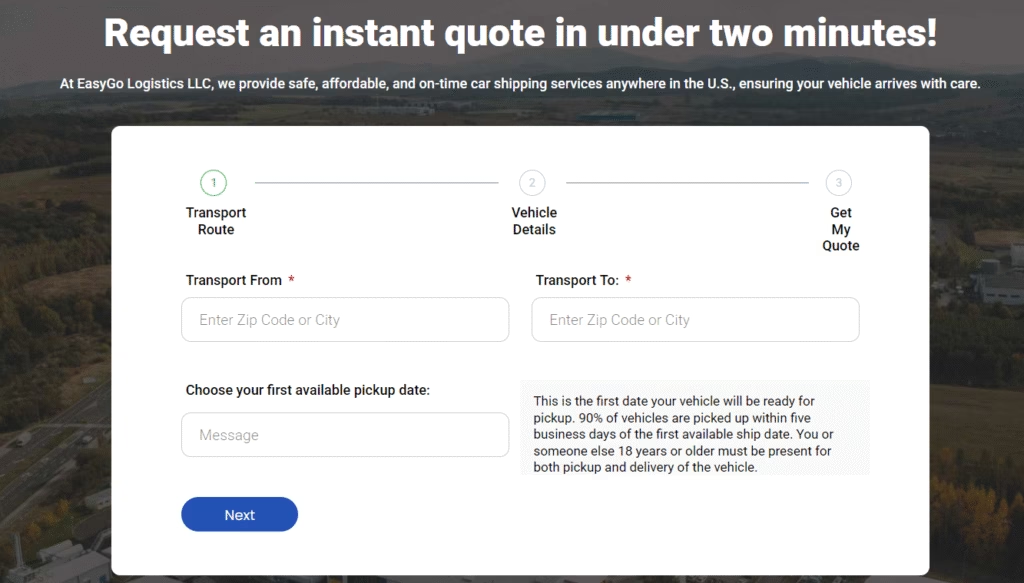
The first step in shipping a car is getting a quote. You usually start online or by phone. The company needs a few key details to give you an accurate price. These include your pickup and delivery locations, vehicle year, make, and model, whether the car runs, and when you want it shipped.
When you are first time shipping a car, it helps to get quotes from at least two or three providers. Compare not just the price, but also what is included. Look for clear terms, realistic timing, and no hidden fees. Avoid offers that are much lower than others, because they may not be realistic for your route.
Step 2: Booking Your Shipment
Once you pick a company, the next step is to book your shipment. This confirms that you want them to arrange a carrier for your vehicle. During booking, you provide your contact details, addresses, and preferred pickup window. You may also choose between open or enclosed transport, as well as standard or expedited service.
At this stage, you should receive a written confirmation. It usually includes your estimated pickup and delivery window, the agreed price, and basic terms. For a first time car shipper, reading this confirmation carefully is important. Make sure your locations, vehicle details, and dates are correct before moving forward.
Step 3: Matching Your Vehicle with a Carrier
After you book, the company’s dispatch team looks for a suitable carrier. They match your route, timeframe, and vehicle type with trucks that have available space. On busy routes, such as popular corridors similar to San Francisco to Seattle or Miami to NYC, this step can happen quickly because many carriers already run those lanes.
Once a carrier accepts the job, you receive details about the driver or company moving your car. This often includes a contact number, an estimated pickup day, and sometimes the carrier’s license or registration numbers. Knowing who is handling your vehicle adds peace of mind, especially when first time shipping a car.

Step 4: Preparing Your Car for Pickup
Before the truck arrives, you have a few simple preparation tasks. These steps help protect your car and make the process smoother. They are important regardless of whether you are shipping across the state or across the country.
Clean and Document the Vehicle
Wash the outside of your car so existing scratches or dents are easy to see. Take clear photos of each side, as well as the front, rear, and close-ups of any existing damage. Save these images with the date. This documentation becomes useful if you ever need to compare the condition before and after shipping.
Remove Personal Items
Take personal belongings out of the car. Items like bags, electronics, tools, and loose objects should not stay inside during transport. Most carriers are not allowed to move household goods, and personal items are usually not covered by insurance. A light, empty car is easier and safer to load.
Check the Mechanical Condition
Make sure your car runs well enough to be driven onto and off the truck. Check the battery, tire pressure, and fluid levels. Leave about one-quarter tank of fuel. This is enough for loading and unloading without adding unnecessary weight.
Step 5: Pickup Day – Loading Your Car
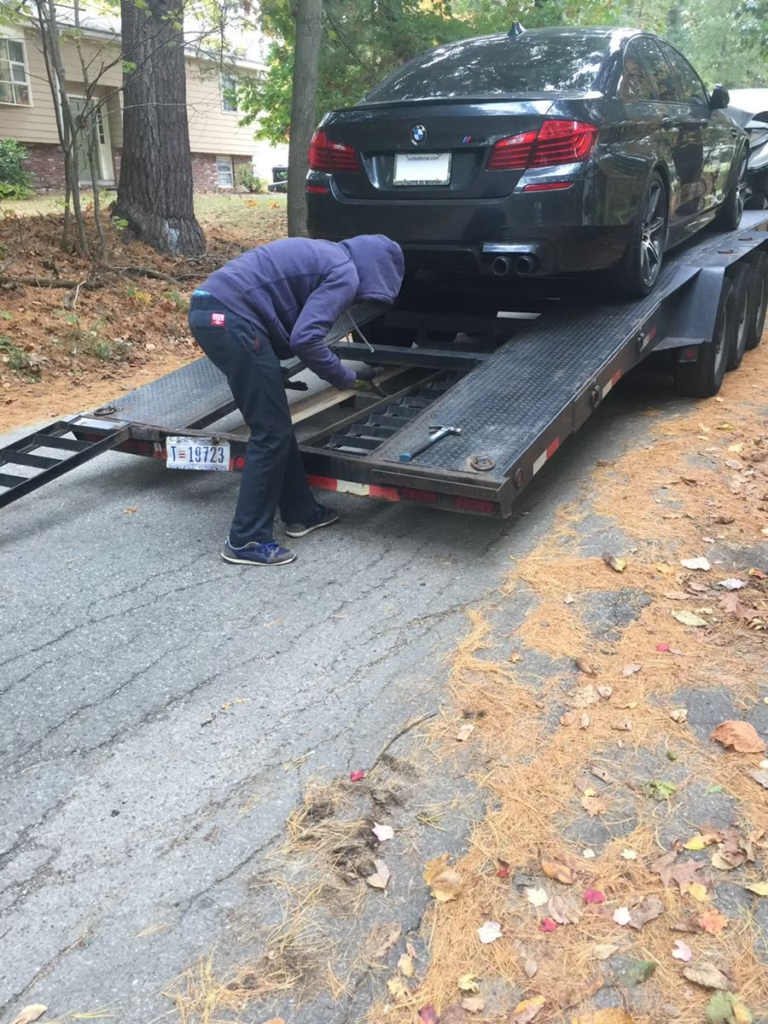
On pickup day, the driver will usually call you ahead of time to confirm the arrival window. When the truck arrives, you and the driver complete a quick inspection before loading. This is a key moment in the process, especially for first time shipping a car.
Pre-Loading Inspection and Paperwork
Together, you walk around the car and note its current condition on a document called the Bill of Lading or condition report. Any visible scratches, dents, or other issues are marked. You and the driver both sign this document. It serves as the official record of how your car looked before transport.
After the inspection, the driver will carefully load your car onto the open or enclosed trailer. They use ramps or lift gates and secure the vehicle with straps or chains designed for auto transport. This process is standard and practiced daily, but it is often reassuring to see it in person if this is your first time shipping a car. You can add a simple placeholder like: [Video of loading the car goes here] to embed your loading video in the blog.

Step 6: On the Road – What Happens During Transit
Once your car is loaded, the carrier begins the trip. Your vehicle travels with others on the route, often following major highways between cities. The driver makes fuel stops, rest breaks, and occasional overnight stops, just as with any long-distance journey.
From your side, you may receive periodic updates. Some companies offer tracking tools or regular status messages. If you have questions, you can usually contact your shipping company or, in some cases, the driver directly. During this phase, your car is secured on the truck the entire time. You can place another placeholder like: [Video of open truck running with multiple cars goes here] to showcase what the transport looks like in motion.
Step 7: Arrival in the Destination City
As the carrier approaches your destination, the driver will contact you to schedule delivery. This is your opportunity to confirm a meeting place that is safe and accessible for a large truck. In some dense urban areas, delivery might happen at a nearby wide street, parking lot, or shopping center instead of directly in front of your home.
Planning ahead for an easy meeting spot makes the last part of the journey smoother. It also reduces the time the driver spends navigating tight neighborhoods, which helps everyone stay on schedule.
Step 8: Delivery Day – Unloading Your Car
On delivery day, the truck arrives at the agreed location. The driver then unloads your car from the trailer. This is similar to loading but in reverse. It is done carefully to avoid scraping the underbody or bumpers, especially on lower cars.
Unloading is a good moment to show another visual to first-time shippers. You might add a placeholder in your blog like: [Video of unloading the car goes here] so visitors can see how controlled the process is.
Final Inspection and Sign-Off
After the car is back on the ground, you and the driver perform another inspection. Compare the vehicle’s condition with your original photos and the initial Bill of Lading. Look for any new scratches, dents, or issues. If everything looks the same, you sign the paperwork to confirm safe delivery.
If you notice any damage that was not there before, note it clearly on the delivery paperwork and take new photos right away. This documentation is necessary if you need to file a claim with the carrier’s insurance. Most shipments arrive without issues, but this step protects you just in case.
Step 9: Payment and Feedback
Depending on your agreement, payment might be completed before shipping, partially on delivery, or fully at delivery. Make sure the payment method and amount match what you discussed when booking. Never feel pressured into paying more than agreed without a clear, written reason.
After everything is complete, consider leaving a review or feedback about your experience. This helps other first time car shippers choose trustworthy companies and rewards carriers who provide good service.
Common Fears First-Time Shippers Have (And Why They’re Normal)
It is very common to worry about handing your car to someone you have never met. Many first-time shippers worry about damage, delays, or being scammed. These concerns are understandable, but you can reduce risk by choosing a reputable company, checking reviews, asking about insurance, and reading your agreement carefully.
If you are curious how specific routes work, you can look at dedicated guides. For example, a detailed page on San Francisco to Seattle car shipping explains timelines, costs, and road conditions for that particular corridor. Likewise, Miami to NYC car shipping shows what happens on a major East Coast route. These examples help you see that your own route follows a similar, predictable pattern.
Tips to Make Your First Time Shipping a Car Easier
There are a few simple habits that can make the entire process smoother and less stressful. They apply to almost any route, whether short or long distance.
Book Early When Possible
Booking at least one to two weeks in advance gives dispatch teams time to match your vehicle with the best carrier. It also makes it easier to get fair pricing without last-minute pressure.
Be Flexible with Dates
A flexible pickup window of several days increases your options. Carriers can combine your vehicle with others on the same route, which often leads to better rates and smoother scheduling.
Ask Questions Before You Commit
If anything in the contract or quote is unclear, ask. A good company will explain how insurance works, what is included in the price, and what happens if there are delays. Understanding these details up front reduces anxiety later.
Final Thoughts
First time shipping a car does not have to be stressful or confusing. When you understand each step—from quote and booking, to loading, transit, unloading, and final delivery—the process becomes predictable and manageable. Taking photos, preparing your car, and working with a reputable company will protect both your vehicle and your peace of mind.
Whether you are moving between major tech hubs, coastal cities, or cross-country routes, the core process remains the same. With clear expectations and a step-by-step understanding of what really happens, your first time shipping a car can be smooth, safe, and surprisingly simple.