
Table of Contents
Many drivers ask the same long-tail question: “How much is it to ship a car to another state?” The honest answer is that the price usually falls between $500 and $1,800 for most standard routes within the United States, depending on distance, vehicle type, transport method, and timing. This guide explains how pricing works, which factors affect your quote the most, and how to keep your cost as low as possible while still choosing a reliable carrier.
If you are completely new to auto transport, it helps to start with a broader overview of the industry. A detailed resource like everything you need to know about car shipping services in the U.S. can give you a solid foundation before you dive into pricing details and route-specific questions.
Average Cost to Ship a Car to Another State
When you ask, “How much is it to ship a car to another state?”, most reputable companies will give you a range rather than a single flat price. For the typical passenger vehicle using standard open transport, many interstate shipments land in the $700 to $1,300 range for mid-distance moves. Shorter hauls may cost closer to $500–$700, while cross-country shipments can reach $1,500 or more.
In general, shorter routes cost more per mile but less overall, while cross-country routes cost less per mile but more in total. The final number you see in your quote is a combination of distance, per-mile rate, and service options. Because of this, two people asking “How much is it to ship a car to another state?” may receive very different answers based on their specific route and vehicle.
Distance and Route: The Foundation of Cost
Distance is usually the single biggest factor in your final price. When you move a car only one or two states away, your quote will typically be on the lower end of the spectrum. When you ship from the East Coast to the West Coast, your price naturally increases because the carrier spends more days on the road and burns more fuel.
Highly traveled lanes with strong demand tend to have more competitive pricing because carriers can fill their trailers in both directions. For example, popular North–South snowbird routes and major city-to-city links often attract multiple carriers. If you are curious about what short and mid-distance pricing looks like on a specific lane, a focused route guide such as Albuquerque to Phoenix car shipping can offer a concrete illustration of how distance affects cost on a 1–2 day regional move.
Vehicle Type and Size: Why Your Car Matters
The next major factor in “How much is it to ship a car to another state?” is the vehicle itself. A compact sedan usually costs less to ship than a full-size SUV, pickup truck, or oversized vehicle. That is because larger or heavier vehicles take up more space on the trailer, limit how many other cars can fit, and may require special handling.
Standard sedans, small crossovers, and compact cars generally fall in the base pricing tier. Larger SUVs, lifted trucks, vans, and dually pickups may add $75 to $250 or more to the total. When you request a quote, always provide the correct year, make, and model so the carrier can calculate weight, size, and clearance correctly. This avoids last-minute price changes on pickup day.
Transport Method: Open vs Enclosed Shipping
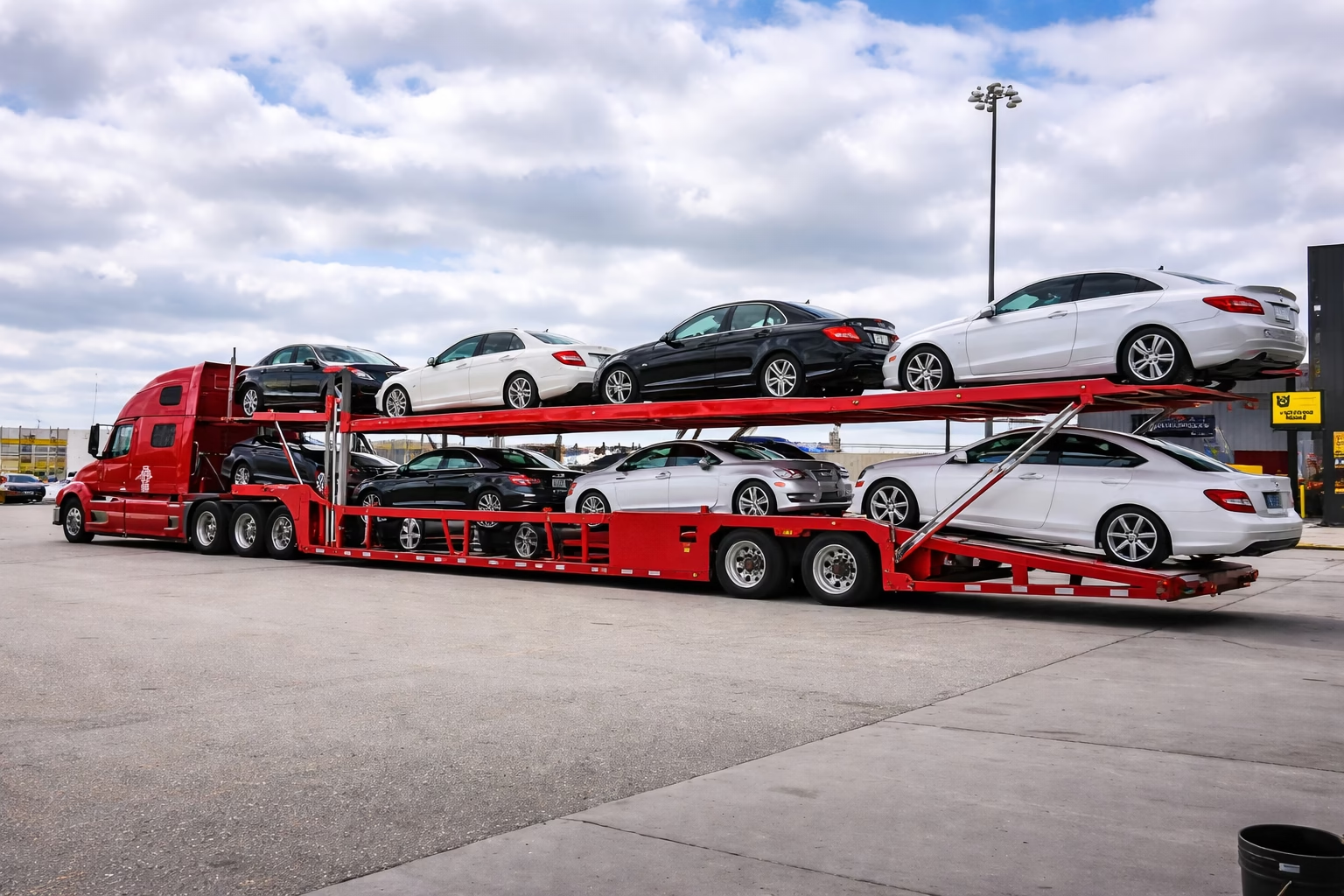
Transport method plays a huge role in cost and is one of the most important decisions you will make. Most customers choose open transport, where vehicles travel on an open-air trailer. This method is safe, widely available, and the most budget-friendly choice. For many people asking “How much is it to ship a car to another state?”, the price they see is based on open transport by default.
Enclosed transport places your vehicle inside a fully covered trailer, protecting it from weather, road debris, and prying eyes. It is ideal for luxury, classic, exotic, or high-value vehicles but typically costs 40–60% more than open shipping. If you are unsure which option fits your situation, a detailed comparison like open vs enclosed car shipping: which is right for you can help you weigh price versus protection before you decide.
Seasonality and Timing: Why When You Ship Matters
Timing has a big influence on how much it costs to ship your car to another state. Auto transport is a marketplace, and prices move with supply and demand. Peak seasons—such as summer moving months and winter snowbird migrations—often bring higher quotes and tighter carrier availability.
Snowbirds traveling between northern states and warm destinations like Florida or Arizona often see increased rates during late fall and early spring. A resource like snowbird auto transport cost, timeline & best practices for seasonal travelers explains how seasonal demand affects pricing and what you can do to lock in better deals by booking early or choosing flexible pickup windows.
Pickup and Delivery Locations: Metro vs Rural Costs
Where your car starts and ends also changes the answer to “How much is it to ship a car to another state?”. Large metropolitan areas and major interstates attract more carriers, which usually leads to more competitive pricing and faster pickup times. Remote or hard-to-reach locations can add cost or require you to meet the driver at a nearby town or highway exit.
For example, if you are shipping to or from a big East Coast state with dense population and strong carrier coverage, your pricing may be more favorable than for a very rural origin or destination. A detailed regional page like Massachusetts car shipping shows how coverage areas, ZIP codes, and city access affect both cost and convenience on a state level.
How Much Is It to Ship a Car to Another State on Common Routes?
Real-world examples help you see how these factors combine. On a short regional move, the cost to ship a car to another state might be around the lower end of the range, while long interstate routes naturally cost more. East Coast to Florida snowbird trips, cross-country journeys, and regional hops all fall into different pricing tiers.
In general, you might see pricing along these lines for typical open-transport shipments: a few hundred dollars for a short hop between neighboring states, around $800–$1,100 for a mid-distance interstate move, and $1,200–$1,600 or more for a multi-day cross-country haul. The more states you cross and the more days your vehicle spends in transit, the higher the total cost tends to be.
Extra Services and How They Impact Price
When you ask, “How much is it to ship a car to another state?”, you should also consider any extra services you might want or need. These add-ons can increase your quote but may be worthwhile depending on your situation.
Common extras include expedited shipping (priority pickup and delivery), guaranteed dates, or special handling for inoperable vehicles. Expedited services can raise the cost significantly because the carrier must adjust their route or reserve space specifically for your car. On the other hand, flexible dates often reduce cost because carriers can fill their trailers more efficiently and choose ideal scheduling.
How to Get an Accurate Answer to “How Much Is It to Ship a Car to Another State?”
Because every route and vehicle is different, the only way to get a precise answer is to request a customized quote. A good quote will ask for your pickup and delivery ZIP codes, vehicle details, preferred dates, and whether you want open or enclosed transport. Avoid companies that provide a single generic price without asking these questions.
Before you request quotes, it is smart to learn the basics of the process, the roles of brokers and carriers, and what paperwork is involved. A comprehensive guide like top 5 mistakes to avoid when booking a car shipping service can help you avoid common pricing pitfalls such as chasing unrealistically low quotes that never dispatch or ignoring important terms buried in the fine print.
Best Practices to Keep Your Cost Under Control
Even though prices depend on market conditions, you have more control than you might think. Following a few best practices can keep your quote competitive while still prioritizing safety and reliability when you ship a car to another state.
First, try to book early. Reaching out 10–14 days before your target pickup window gives carriers time to plan routes and often leads to better offers. Second, stay flexible with dates. Providing a multi-day window instead of demanding a fixed date allows the carrier to pair your car with others on similar routes, which usually reduces the per-vehicle cost.
Avoiding Costly Mistakes When Comparing Quotes
Not all quotes are created equal. When two companies give very different answers to “How much is it to ship a car to another state?”, take time to understand what is and is not included. Extremely low quotes sometimes indicate that the company is underbidding and may later ask for more money to secure a carrier.
Reading up on the most common booking mistakes can save you from headaches and surprise charges. A helpful article like top 5 mistakes to avoid when booking a car shipping service walks through issues like unclear contracts, poor communication, and unrealistic expectations that can affect both your cost and your overall experience.
Understanding the Full Value, Not Just the Price
When evaluating “How much is it to ship a car to another state?”, consider the full value rather than only the number on the invoice. Driving long distances yourself also has costs: fuel, hotel stays, meals, missed work, additional mileage, and wear on your vehicle. When you add those up, professional shipping often compares favorably, especially for longer routes.
A well-structured educational piece such as everything you need to know about car shipping services in the U.S. puts pricing into context by explaining how professional transport reduces stress, limits risk, and saves time compared to multi-day road trips.
When a State- or Route-Specific Guide Helps
Sometimes, the best way to understand what you will pay is to look at examples that match your situation. If you are shipping from or to a particular state, a dedicated page that focuses on local coverage, ZIP codes, and common lanes—like Massachusetts car shipping—can give you more targeted expectations for that region.
If your route is a well-known corridor, a lane-specific guide such as Albuquerque to Phoenix car shipping can illustrate real-world pricing bands, timelines, and service options on a concrete example. Comparing these with your own route helps you understand where your costs might fall within the national range.
Final Thoughts: Getting the Best Answer to Your Long-Tail Question
So, how much is it to ship a car to another state? For most drivers, the realistic answer is somewhere between $500 and $1,800, with the exact number shaped by distance, vehicle type, transport method, season, and your flexibility. Instead of chasing the lowest possible quote, focus on clear communication, solid reviews, and transparent terms.
Use the guidance in this article along with deeper educational resources—such as snowbird-specific advice, state-level pages, and open vs enclosed comparisons—to understand why your quote looks the way it does. When you combine realistic expectations with smart planning, you can ship your car to another state confidently, safely, and at a fair price.