
Table of Contents
Shipping your car from San Diego to San Jose is one of the most common intrastate transport routes in California. Whether you’re relocating to Silicon Valley for a tech job, moving to the Bay Area for school, or sending a vehicle to family, understanding the logistics, costs, and timeline for San Diego to San Jose car shipping helps you plan effectively and avoid surprises.
At EasyGo Logistics, we handle this 460-mile California route daily. Here’s your complete guide to shipping your car between these two major California cities—covering costs, timelines, routes, and everything you need to know as a California resident.
Distance and Route Overview
San Diego to San Jose covers approximately 453-460 miles depending on the exact pickup and delivery locations within each city. This translates to about 7-8 hours of driving time under normal traffic conditions.
Primary Routes
Interstate 5 (I-5): The most direct and commonly used route for car shipping between San Diego and San Jose. I-5 runs the entire north-south length of California from the Mexican border to Oregon, connecting San Diego, Los Angeles, Stockton, Sacramento, and extending close to the Bay Area.
US Route 101 (US-101): An alternative coastal route that travels through Los Angeles and follows the California coast through San Francisco to San Jose. While more scenic, US-101 is typically longer and used less frequently by commercial carriers.
Most professional auto transport carriers use I-5 for San Diego to San Jose shipments because it’s the most efficient, direct route with excellent road conditions and minimal traffic delays outside of major urban areas.
San Diego to San Jose Car Shipping Cost
The cost to ship a car from San Diego to San Jose typically ranges from $285 to $390 for standard open transport of a regular sedan.
Cost Breakdown by Service Type
Open Transport: $285-$390 average for standard vehicles
Enclosed Transport: $450-$600 for luxury, classic, or high-value vehicles requiring maximum protection
Expedited Service: $400-$500+ for guaranteed faster pickup and delivery timelines
What Affects Your Quote?
Vehicle Size and Weight: Larger vehicles like trucks and SUVs cost more than compact sedans due to weight and space requirements.
Transport Type: Open transport costs 30-40% less than enclosed transport.
Seasonality: Summer months (June-August) see higher demand and pricing, while winter offers better rates.
Pickup/Delivery Flexibility: Being flexible with your dates and meeting the carrier at an accessible location can reduce costs by $50-$100.
Vehicle Condition: Non-running or inoperable vehicles require special equipment and cost $100-$200 more to ship.
According to industry data, California car shipping averages $0.65-$1.10 per mile, putting the San Diego to San Jose route at the lower end of per-mile costs due to the route’s popularity and carrier availability.
Transit Time: How Long Does It Take?
Standard car shipping from San Diego to San Jose takes 1-3 days for transit, with total door-to-door service (including pickup scheduling) typically completed within 3-5 days.
Timeline Breakdown
Booking to Pickup: 1-5 days depending on season and availability. Booking 1-2 weeks in advance ensures faster pickup.
Transit Time: 1-2 days once your vehicle is loaded. The 460-mile distance is easily covered in one long day of driving, though carriers often make multiple stops.
Total Timeline: Most customers receive their vehicles within 3-5 days of initial booking.
Factors Affecting Transit Time
Traffic Conditions: Los Angeles traffic on I-5 can slow carriers, particularly during rush hours and weekends.
Pickup Scheduling: Carriers consolidate multiple vehicles heading in similar directions. The time to fill a truck affects your pickup date.
Season and Weather: California’s mild climate means weather rarely impacts this route, though winter rain can occasionally cause minor delays.
Delivery Location Accessibility: If your San Jose delivery address is in a dense residential area or has restricted access, carriers may need to arrange meeting points, which can add a day to final delivery.
Understanding San Diego Pickup Areas
San Diego County is large and diverse, with pickup logistics varying by neighborhood.
Easy Pickup Areas
Downtown San Diego, Mission Valley, and areas along major corridors like I-5, I-8, and I-805 offer excellent carrier access and typically don’t require special arrangements.
Challenging Pickup Areas
La Jolla and Coastal Communities: Narrow, winding streets can make large carrier access difficult. You may need to meet at a nearby accessible location.
East County (Alpine, Ramona, Julian): Rural areas require advance planning and potentially meeting the carrier along a major highway or in a more accessible suburb.
Gated Communities and HOAs: Some neighborhoods restrict commercial vehicle access. Verify access rules and arrange alternatives if needed.
For challenging locations, EasyGo Logistics works with you to identify convenient meeting points that don’t compromise service quality.
San Jose Delivery Considerations
San Jose, as the heart of Silicon Valley, presents its own logistics considerations.
High-Traffic Delivery Areas
Downtown San Jose: Dense urban environment with good carrier access via I-280 and US-101.
North San Jose/Milpitas: Tech hub areas with excellent highway access for deliveries.
South San Jose: Residential areas with generally good accessibility.
Special Consideration Areas
Los Gatos and Saratoga (West San Jose): Hillside communities with narrow, winding roads may require flexible delivery arrangements.
East San Jose Residential Neighborhoods: Some older neighborhoods have narrow streets where 80-foot car carriers struggle to navigate. Meeting at a nearby accessible location is common.
Santa Clara County Regulations: Be aware of any local regulations affecting commercial vehicle access in your specific neighborhood.
According to San Jose auto transport specialists, most deliveries within the city occur without complications, but advance communication about your specific address helps prevent last-minute surprises.
Open vs. Enclosed Transport for California Routes
For the San Diego to San Jose route, most California residents choose open transport, but enclosed has its place.
Open Transport Benefits
Cost-Effective: Saves $150-$250 compared to enclosed transport.
Perfect Weather: California’s mild, dry climate means your vehicle faces minimal weather exposure during the 1-2 day transit.
Fast Availability: More open carriers operate this route, meaning quicker pickup scheduling.
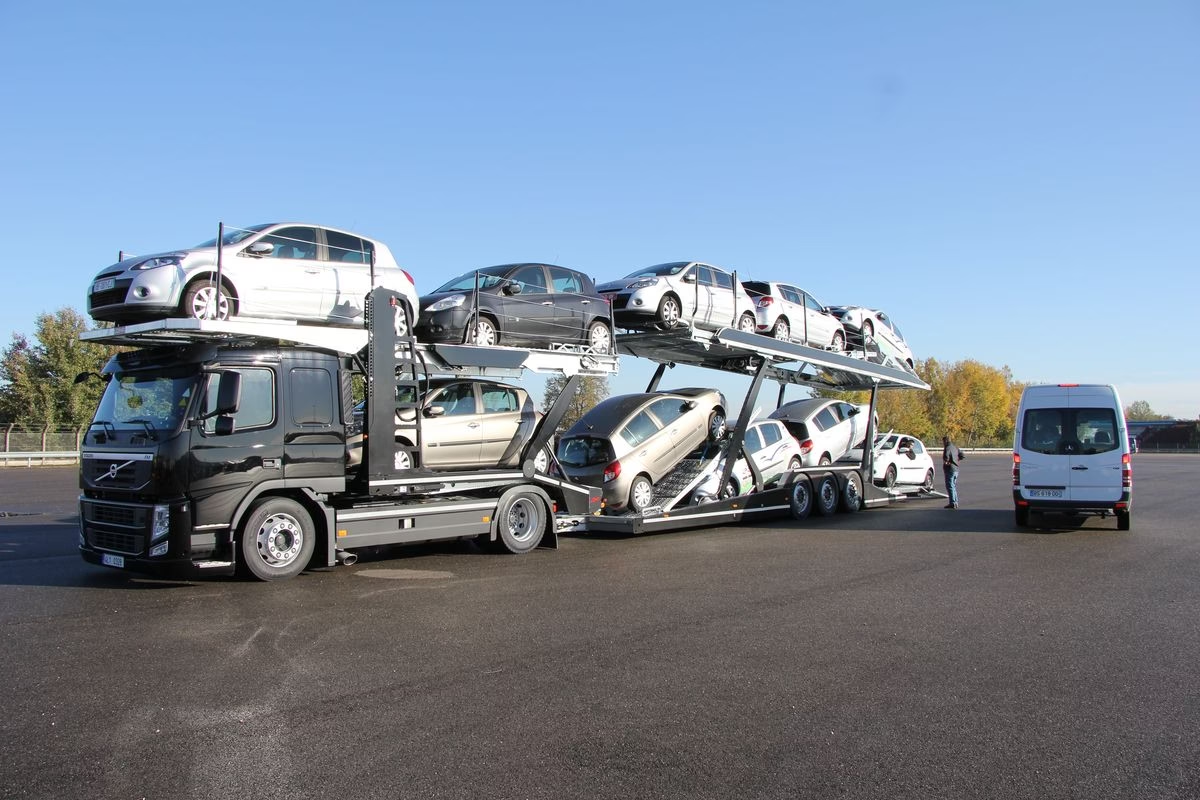
Proven Safe: The same method used to transport new vehicles from dealerships. Millions of California cars ship this way safely every year.
When to Choose Enclosed Transport
High-Value Vehicles: Luxury cars, Tesla Model S/X, exotic sports cars, or any vehicle worth over $75,000.
Classic Cars: Vintage vehicles, collectibles, or restorations heading to/from shows or buyers.
Just Purchased: Brand new cars or vehicles you just bought and want maximum protection during transport.
Personal Preference: Some owners simply prefer the peace of mind enclosed transport provides, regardless of vehicle value.
For most daily drivers—Honda Civics, Toyota Camrys, Ford F-150s—open transport is perfectly safe and the economical choice for intrastate California shipping.
Preparing Your Vehicle for Shipping
Proper preparation ensures smooth pickup and avoids delays or additional charges.
Pre-Shipping Checklist
Clean Your Vehicle: Wash the exterior so the carrier can accurately document its condition during the pickup inspection.
Remove Personal Items: Carriers don’t insure personal belongings, and excess weight can result in additional fees. Remove everything except the spare tire and jack.
Document Condition: Take dated photos from all angles—front, back, both sides, interior, and close-ups of any existing damage. These protect you in the unlikely event of transit damage.
Check Fluid Levels and Tire Pressure: Ensure your vehicle is in good operating condition. Low tire pressure or fluid leaks can cause problems during loading.
Gas Tank: Keep fuel at 1/4 tank or less. This is a safety requirement and reduces shipping weight.
Disable Alarms: Turn off or provide instructions to disable any car alarms. They can activate during transport and create problems.
Remove Toll Transponders: Take out your FasTrak or other toll devices. They’re not needed during transport and shouldn’t be left in the vehicle.
California-Specific Considerations
Since you’re shipping within California, you don’t need to worry about emissions compliance or registration changes. Your California registration and plates remain valid throughout the shipping process.
Door-to-Door vs. Terminal Shipping
Most San Diego to San Jose customers choose door-to-door service, but understanding your options helps you make the best choice.
Door-to-Door Service
How It Works: The carrier picks up your vehicle from your San Diego address (or as close as the large truck can safely access) and delivers to your San Jose address.
Advantages: Maximum convenience—no need to arrange transportation to/from terminals.
Cost: Included in most standard quotes ($285-$390 range).
Reality Check: “Door-to-door” means as close as safely possible. If you live on a narrow street, in a gated community, or area where 80-foot trucks can’t navigate, you’ll meet the carrier at a nearby accessible location.
Terminal-to-Terminal Service
How It Works: You drop off your vehicle at a San Diego terminal and pick it up from a San Jose terminal.
Advantages: Costs $50-$100 less than door-to-door and works well if you’re flying between cities anyway.
Disadvantages: Requires arranging transportation to/from terminals on both ends. Terminals also have specific hours of operation.
For most California residents, door-to-door service offers the best combination of convenience and value for this relatively short intrastate route.
Insurance and Protection
All professional carriers operating in California must maintain cargo insurance, but understanding coverage details is important.
Standard Carrier Insurance
Licensed carriers provide mandatory minimum coverage of $100,000, with most maintaining $250,000-$350,000 per accident.
This coverage protects your vehicle against damage during transit caused by accidents, improper loading, or carrier negligence.
What’s Covered and What’s Not
Covered: Damage to your vehicle’s exterior or mechanical components caused during transport.
Not Covered: Personal items left in the vehicle, pre-existing damage not documented at pickup, or damage from acts of nature (though this is rare).
High-Value Vehicle Coverage
For vehicles worth over $75,000 or classic cars, verify coverage limits with your transport company. You may want supplemental insurance to cover your vehicle’s full value.
At EasyGo Logistics, all our California carriers maintain comprehensive insurance, and we help you assess whether additional coverage makes sense based on your vehicle’s value.
Best Time to Ship Between San Diego and San Jose
Timing your shipment strategically can save money and ensure faster service.
Best Months
September-November: Post-summer demand drops, offering good availability and moderate pricing.
January-February: The cheapest months for California car shipping. Demand is lowest after holiday season.
Most Expensive Months
June-August: Peak moving season when families relocate and college students transport vehicles. Expect 15-20% higher costs.
December: Holiday travel increases demand on popular routes like San Diego to Bay Area destinations.
Week Timing
Best Days: Tuesday-Thursday pickups typically offer better availability than Monday or Friday.
Avoid: Holiday weeks when carriers take time off or routes become congested with personal travelers.
For California residents with flexible timing, booking during off-peak months can save $50-$100 on this route.
Common Questions from California Residents
Do I Need to Update My Registration?
No. Since you’re shipping within California, your registration remains valid. No DMV visits are required.
Can I Track My Vehicle During Transport?
Most reputable transport companies provide tracking updates. Ask about GPS tracking availability when booking.
What If My Vehicle Arrives Damaged?
Document any damage immediately on the delivery receipt before signing. Your carrier’s insurance covers legitimate transit damage. Take photos and file a claim within the specified timeframe (typically 24-48 hours).
Can I Ship a Motorcycle or Multiple Vehicles?
Yes. Many carriers handle motorcycles and offer multi-vehicle discounts. Shipping two cars together typically saves 10-15% per vehicle.
How Far in Advance Should I Book?
For the San Diego to San Jose route, booking 1-2 weeks in advance ensures good availability and pricing. Last-minute bookings (1-3 days) may cost 20-30% more and face limited carrier options.
Why Choose Professional Shipping Over Driving?
Given the relatively short 460-mile distance, some California residents consider driving rather than shipping. Here’s why professional transport often makes more sense:
Cost Comparison: Driving costs $100-$150 (gas, wear, tolls) plus 8+ hours of your time. If you need to fly back, add another $150-$300. Professional shipping at $285-$390 becomes competitive.
Convenience: No need to take time off work, arrange a one-way flight, or deal with 8 hours on California freeways.
Wear and Tear: Professional shipping adds zero miles to your odometer—important for warranties, leases, or vehicle resale value.
Safety: Professional drivers with specialized equipment transport your vehicle safely without the risks of freeway accidents or breakdowns.
Multiple Vehicles: If you’re moving with multiple cars, professional shipping is the only practical option.
For California residents relocating, cross-country car shipping provides peace of mind that your vehicle arrives safely while you focus on other moving tasks.
Choosing a California Car Shipping Company
Not all transport companies offer the same quality. Here’s what California residents should verify before booking:
Valid USDOT and MC Numbers: Check carrier licensing on the FMCSA website. Licensed carriers meet federal safety and insurance requirements.
California Operating Experience: Choose companies familiar with California routes, regulations, and logistics.
Transparent Pricing: Your quote should include all fees with no hidden charges. Be wary of quotes significantly lower than competitors—they often involve bait-and-switch tactics.
Insurance Verification: Confirm cargo insurance coverage amounts and get documentation.
Local Reviews: Check reviews specific to California routes and San Diego/San Jose service areas.
Communication: Responsive customer service that answers questions clearly and provides regular updates throughout the process.
How EasyGo Logistics Serves California Residents
At EasyGo Logistics, we specialize in California intrastate routes including San Diego to San Jose.
Extensive California Network: Our 15,000+ carrier network includes numerous California-based carriers who know I-5 and Bay Area logistics intimately.
Competitive California Pricing: We offer transparent quotes starting at $285-$390 for this route with no hidden fees.
Flexible Service Options: Choose from open transport, enclosed transport, door-to-door, terminal service, or expedited delivery based on your needs and budget.
California Expertise: We understand San Diego neighborhoods, Bay Area delivery logistics, and California-specific considerations that out-of-state companies miss.
Verified, Insured Carriers: Every carrier in our network maintains proper licensing, comprehensive insurance, and proven safety records.
The Bottom Line for California Residents
San Diego to San Jose car shipping is straightforward, affordable, and reliable when you work with experienced professionals who know California routes.
Key Takeaways:
Cost: $285-$390 for standard open transport
Distance: 453-460 miles via I-5
Transit Time: 1-3 days, total process 3-5 days
Best Route: Interstate 5 for direct, efficient transport
Peak Season: Avoid June-August for best pricing
Whether you’re relocating to Silicon Valley, sending a vehicle to family, or moving a car for any reason, professional car shipping offers convenience, safety, and value that makes it the smart choice for California residents.
Ready to ship your car from San Diego to San Jose? Get your free quote from EasyGo Logistics today. Our California transport specialists will provide transparent pricing, answer all your questions, and ensure your vehicle arrives safely and on schedule. Call now or request an online quote—simple, reliable car shipping for California residents.